








Oikea-aikainen, välittömästi harjoitustehtävistä palautetta antava oppimistyökalu lukiolaisille, parantaa osaamista. Säästät aikaa voit opiskella ja kerrata missä vain oman aikataulusi mukaan. Saat...
A private license for all Teachers. Save teacher’s time and speed up exam assessment. AI assessment’s working languages are English, Swedish and Finnish. With this license, you can create...
The transition from GCSE to A-Level is a leap into a new realm of academic rigor and depth. At this stage, the goal is to understand concepts and how they relate to one another, so you can think by...
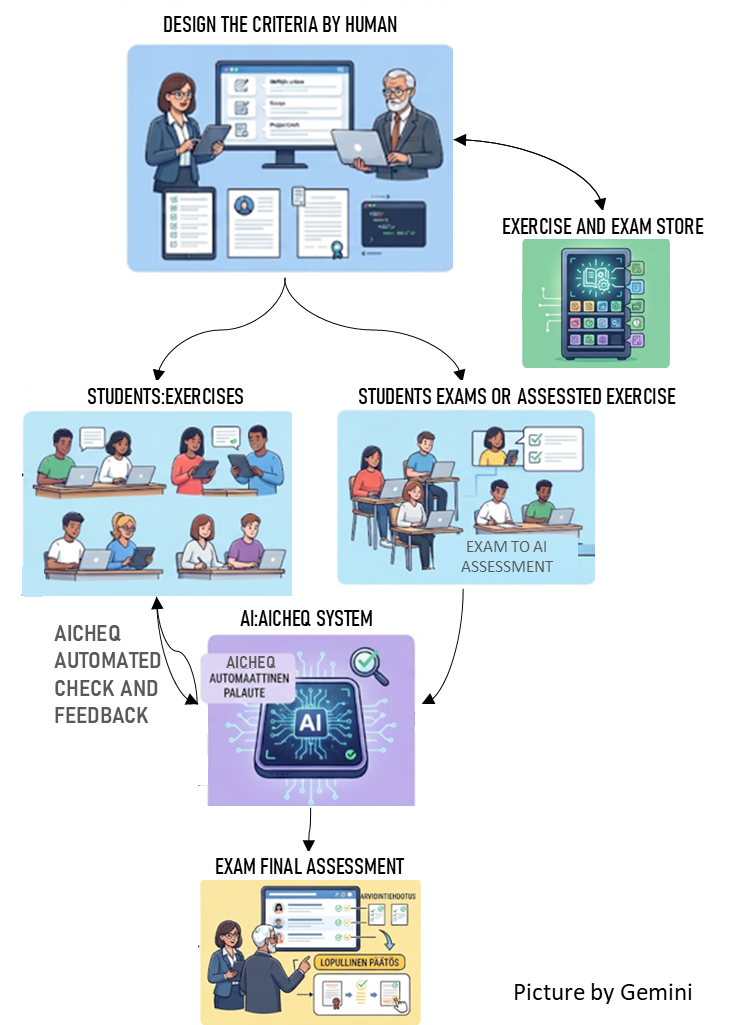
Vuorovaikutteinen AI vastaamis- ja arviointityökalu Esittelemme Tampereella 23.4.2026 ITK:ssa uuden Vuorovaikutteisemman AI-pohjaisen vastaamis- ja arviointityökalun. Tavoitteena on opettajan laatiman...
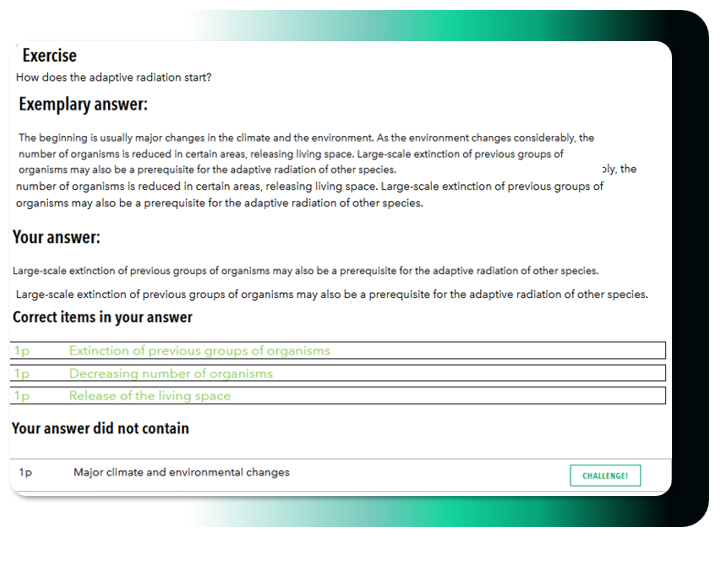
Opetus- ja koulutusalan toimijat sekä muut organisaatiot miettivät omaa suhtautumistaan tekoälyyn ja miten sitä otetaan käyttöön. Tekoälyn hyödyntäminen oikeissa paikoissa helpottaa ja tehostaa työtä...
Various organizations are currently evaluating their approach to Artificial Intelligence (AI) and how to best implement it. When discussing this integration—particularly within the field of education...
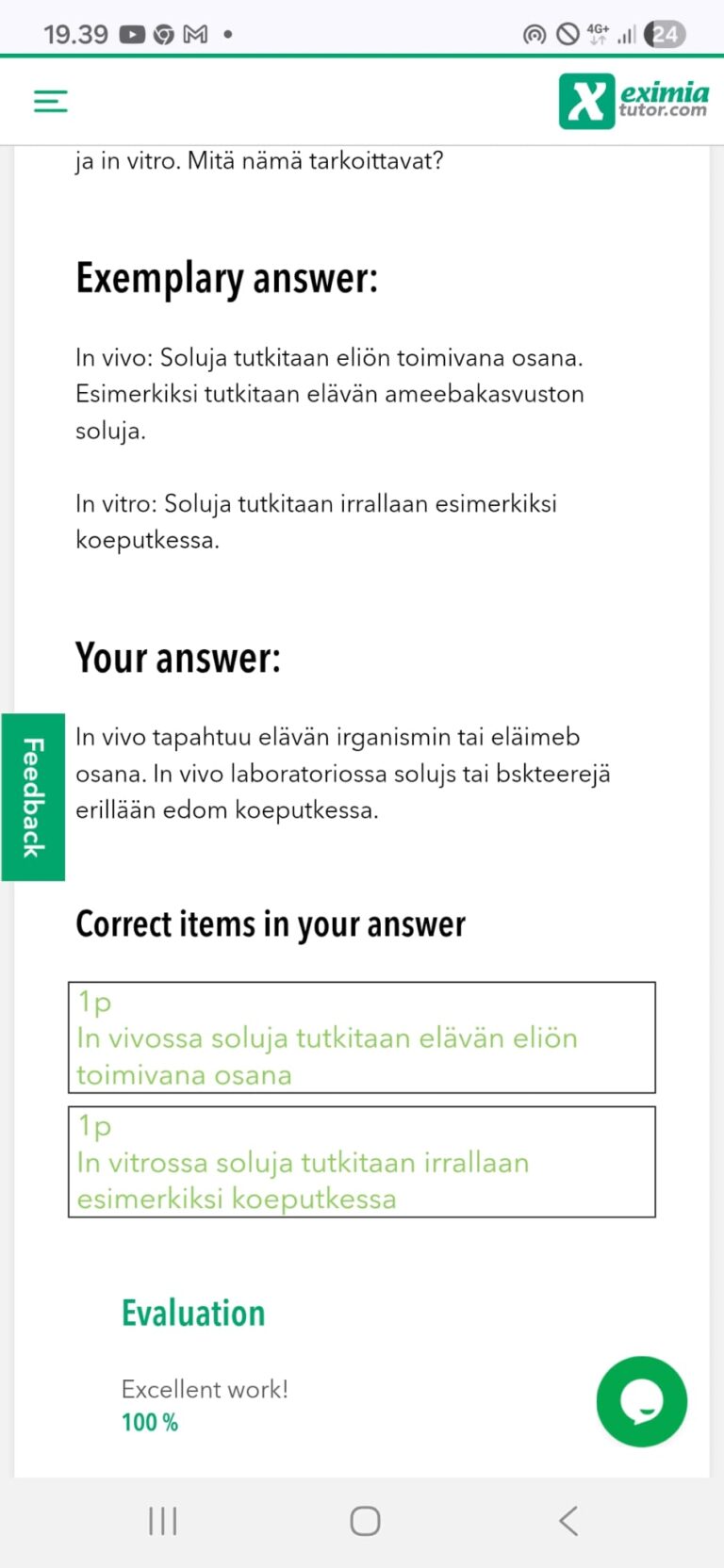
Are you ready to lead the AI revolution in education? While the world is talking about generic chatbots, visionary educators need tools built for the classroom’s reality—not just for generating...

AIcheq- Suomalaisten nuorten osaaminen on PISA-tulosten valossa heikentynyt viimeisen 15 vuoden aikana. Onko mitään tehtävissä tilanteen parantamiseksi? Lääkkeeksi on esitetty palaamista takaisin...

How AI Accelerates Exam Administration Normally, it takes a teacher about half an hour to draft exam questions in middle school, upper secondary school, or other educational settings, unless they use...

Receiving feedback is a big deal for a student. It can be a vulnerable moment when one’s lack of competence is revealed and self-image is crushed during a sensitive youthful phase, or it can...

Traditional publishing of learning content will be complemented by a flexible and novel AI-based approach to creating educational materials. AI accelerates the creation of content and offers every...

We have launched the first iteration of a new AI-powered interactive question type, assessment, and competency mapping tool. This pilot phase introduces variation for a more multi-dimensional and...